September 29, 2026 · 4 min read
The Customer Has Already Done the Homework. Now What?
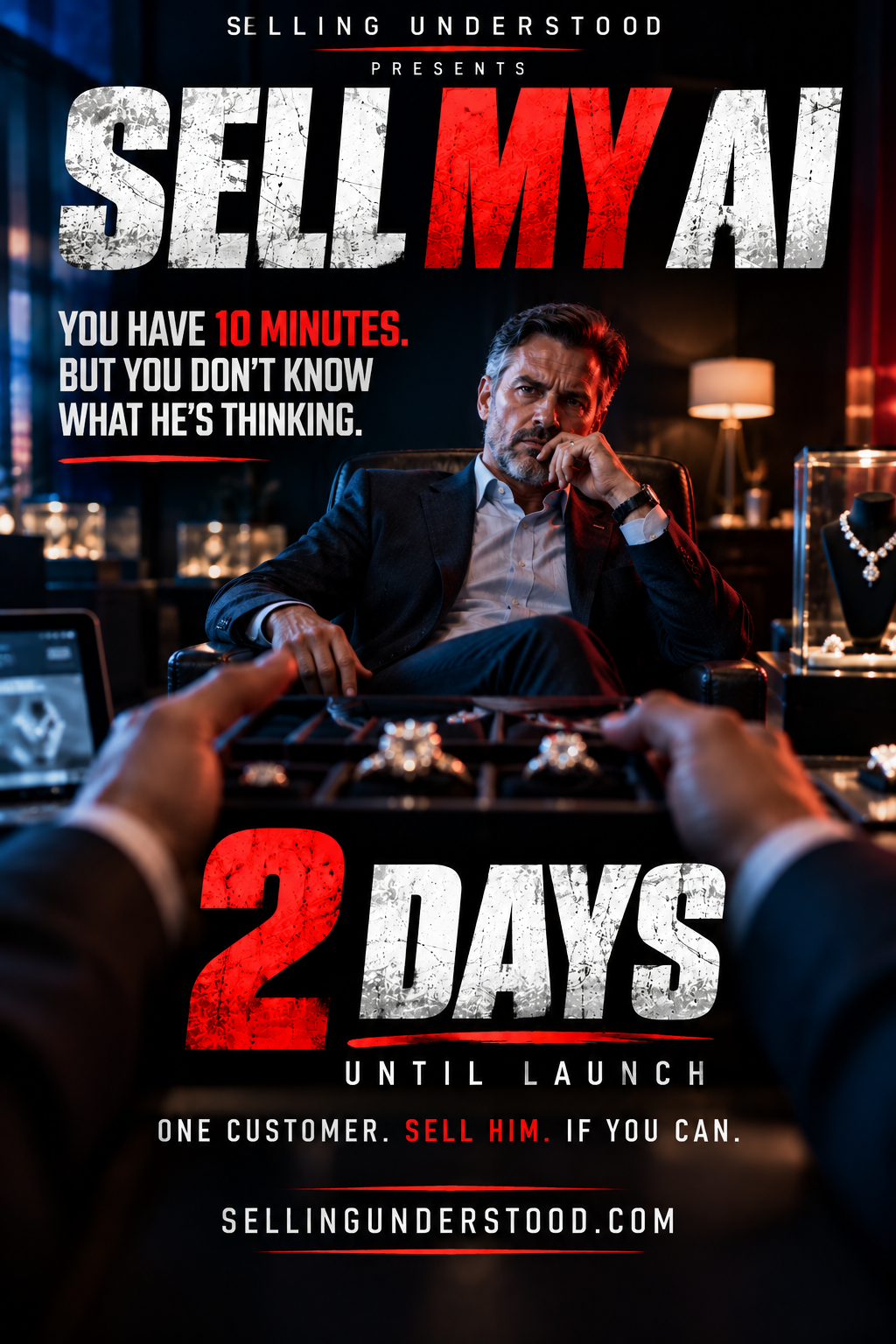
It’s 11:47 at night. A customer is sitting on the couch with a laptop open and a phone in their hand. Reviews. Pricing. Comparison videos. Reddit threads. A conversation with AI. By the time they finally close the laptop, they already know the price range, the alternatives, and what half the internet thinks they should buy. The next morning, they walk through your door. And we greet them like the conversation is just beginning. It isn’t. We’re walking into a conversation that may have already been going on for hours. The Customer Has Changed There was a time when the salesperson was often the customer’s main source of information. That is not the world we sell in anymore. Before someone walks into a store, makes a call, sends an email, or sits down for an appointment, they may already have spent hours researching the decision. They have read reviews. Compared prices. Watched videos. Looked at competitors. Asked friends. Used forums. Used social media. Used AI. Sometimes the customer sitting in front of you already knows an incredible amount about the product. And I think sales has been slower than it should have been to deal with what that really means. Then the Salesperson Starts Talking The customer walks in knowing exactly what they want to see. The salesperson approaches. Within seconds, the usual routine starts. Features. Specifications. Benefits. A recommendation. Maybe another recommendation. More information. The customer nods. At first. Then their answers get shorter. Their eyes go back to their phone. They stop volunteering details. And eventually we hear something every salesperson recognizes. “I’m just looking.” “I already know what I want.” “I need to think about it.” A lot of sales training teaches us to hear those words and immediately think: Objection. Maybe. But not always. Sometimes the customer is not resisting the product. Sometimes they are protecting themselves from the conversation. And that is a much harder possibility to consider. Because it means the problem may not be what the customer said. It may be what happened right before they said it. More Information Is Not Always More Help Product knowledge still matters. A lot. If you do not understand what you sell, eventually the customer is going to know. But product knowledge by itself is no longer enough. If the customer can find the specifications in thirty seconds, they do not need another human being to read the specifications back to them. They need something harder to find online. Context. Judgment. Clarity. Someone who can take all of that information and help them understand what actually matters. Someone who notices when the conversation changes. Someone who knows when the customer needs another answer and when they need less noise. Someone willing to say: “Based on what you told me, I don’t think you need the more expensive option.” That is where the human being still matters. The Customer May Know the Product. Do You Know the Customer? A customer can know every feature and still be uncertain. They can understand the price and still be struggling with whether the decision makes sense. They can tell you exactly what they came in to see and still have a reason behind the purchase they have not told you yet. They can look completely prepared and still need guidance. That is why I keep coming back to this question: If the customer can already get the information, why do they still need us? Not because we can always tell them something they do not know. Sometimes we can. But that cannot be the whole value anymore. The value has to be in how well we help them make sense of the decision. Thursday, We Test It One customer. Ten minutes. No script telling you what to say next. No list of magic words. No perfect customer waiting to agree with you. Just the conversation. You have to listen. Ask. Adjust. Recommend. Recognize what is happening. Know when to lead. Know when to stop talking. That is Sell My AI. I built it because there is a big difference between understanding a sales concept and having to use judgment when a real conversation starts moving. But there is another reason. I want to see how people sell today. What happens when the customer is guarded? What happens when they already know the product? Do we listen? Do we pitch? Do we slow down? Do we push? Do we recognize when the conversation has changed? I think what we learn may tell us a lot about where sales is right now. Thursday, we start finding out. SELL MY AI 10 Minutes. One Customer. Sell Him. If You Can. Launching Thursday, October 1 sellingunderstood.com